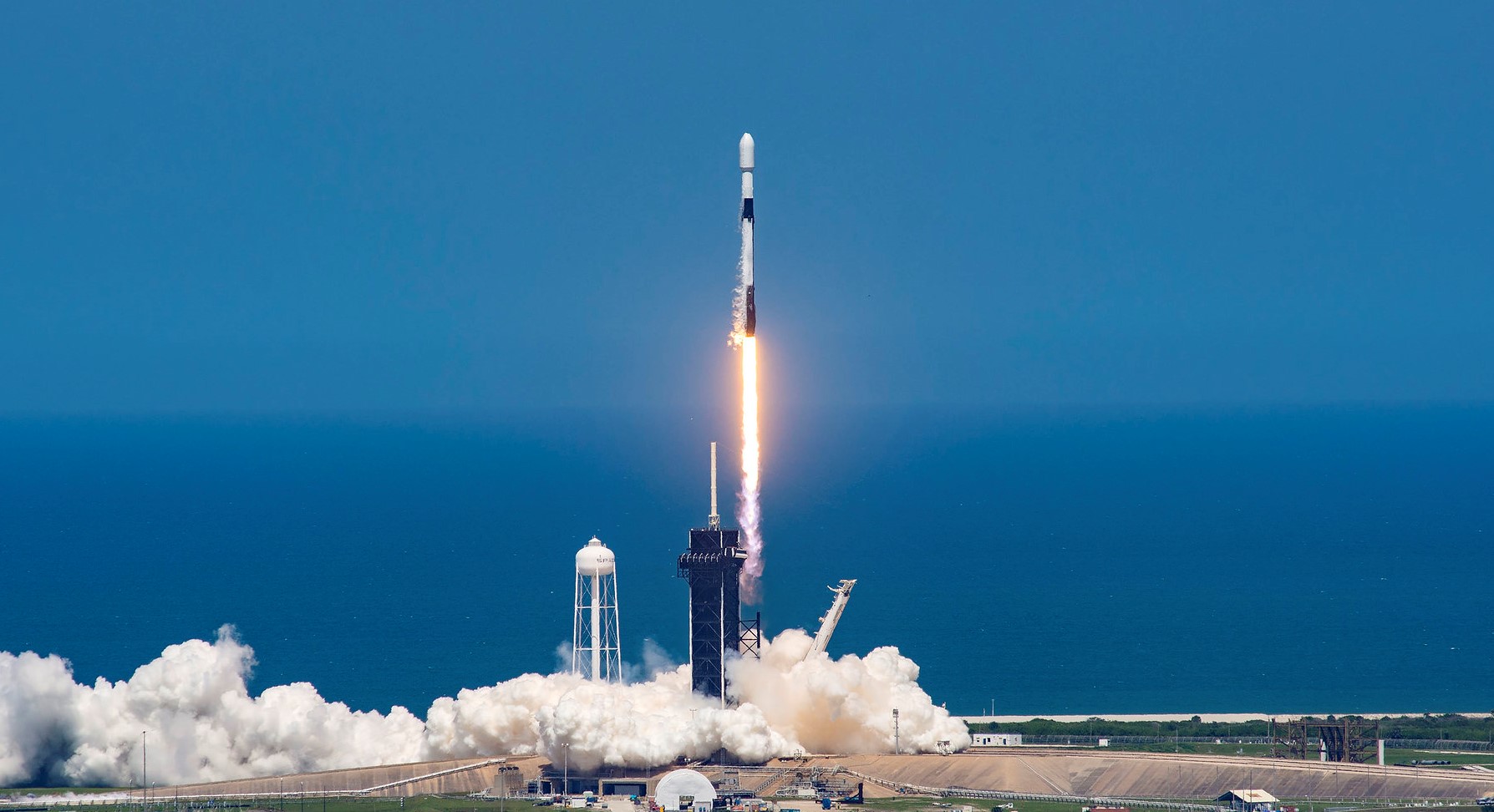
Falcon 9 FT5 | Starlink Group 12-3
Success · 2025-02-04T10:15:00Z · Cape Canaveral
- Launch name
- Falcon 9 FT5 | Starlink Group 12-3
- Status
- Success
- Date (normalised)
- 2025-02-04T10:15:00Z
- Date (source)
- 2025 Feb 4 1015:00
- Provider
- SPX
- Rocket
- Falcon 9 FT5
- Pad
- LC40
- Country
- US Cape Canaveral
- Record ID
- gcat:2025-024
- Source fetched
- 2026-10-27T11:00:31Z
JSON record · More launches from US · Provider launches
Mission library match
Falcon 9 Block 5 | Starlink Group 12-3
A batch of 21 satellites for the Starlink mega-constellation - SpaceX's project for space-based Internet communication system.

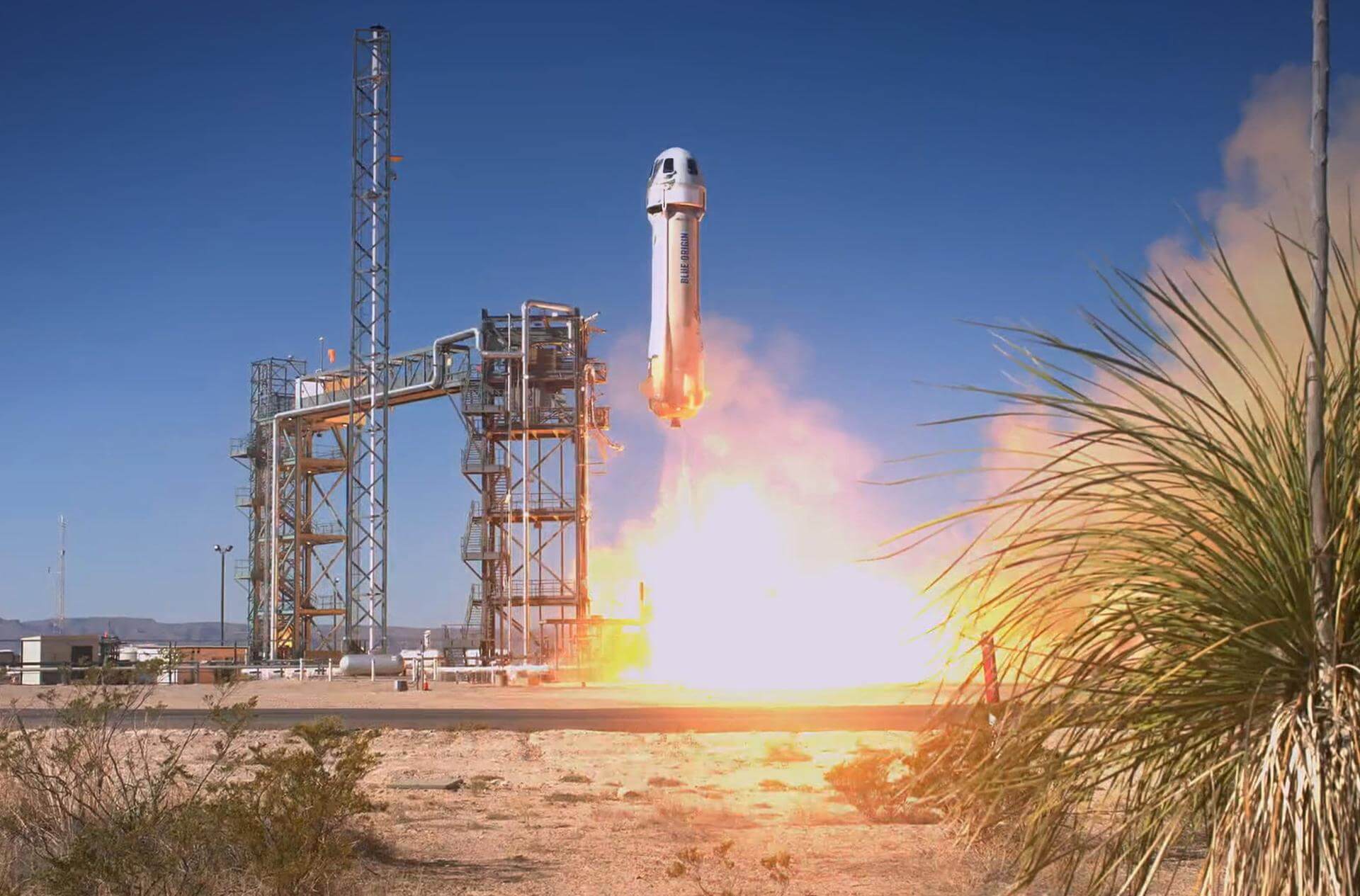
New Shepard | NS-29
NS-29 will simulate the Moon’s gravity and fly 30 payloads, all but one of which is focused on testing lunar-related technologies. The payloads will experience at least two minutes of lunar gravity forces, a first for New Shepard and made possible in part through support from NASA. The flight will test six broad lunar technology areas: In-situ resource utilization, dust mitigation, advanced habitation systems, sensors and instrumentation, small spacecraft technologies, and entry descent and landing. Proving out these technologies at lower cost is another step toward Blue Origin’s mission to lower the cost of access to space for the benefit of Earth. It also enables NASA and other lunar surface technology providers to test innovations critical to achieving Artemis program goals and exploring the Moon’s surface. The New Shepard crew capsule is using its Reaction Control System (RCS) to spin up to approximately 11 revolutions per minute. This spin rate simulates one-sixth Earth gravity at the midpoint of the crew capsule lockers. In simulated lunar gravity, customers can accelerate their learning and technology readiness for lunar payloads at much lower cost.
Falcon 9 Block 5 | WorldView Legion 5 & 6
WorldView Legion is a constellation of Earth observation satellites built and operated by Maxar. Constellation is planned to consist of 6 satellites in both polar and mid-inclination orbits, providing 30 cm-class resolution.